
As a small or medium business owner, the world of search engine optimization (SEO) might seem quite complex. There are various strategies, tools, and techniques that can help your business rank higher in search engine results, ultimately driving more traffic and sales. One such comprehensive guide to navigate the SEO landscape is the SEO playbook. By understanding its essentials and following a step-by-step approach, you can boost your website’s performance and stay ahead of your competitors.
The SEO playbook focuses on several aspects of optimization, ranging from researching the most suitable keywords for your business to crafting content that resonates with your target audience. It also explores the critical role of backlinks and why it’s necessary to monitor your website’s technical health regularly. By effectively implementing the strategies outlined in the SEO playbook and keeping a pulse on your optimization efforts, you can witness measurable progress in your business’s online presence.

Key Takeaways
- Understand and implement the SEO playbook to drive more traffic to your website
- Focus on keyword research, content creation, and technical SEO for better search engine rankings
- Continuously measure and optimize your online presence to stay ahead of competitors
The SEO Playbook Essentials
Understanding SEO: It Doesn’t Have to be a Mystery
As a small to medium business owner, you might find SEO intimidating at first. But it doesn’t have to be a mystery. In simple terms, SEO refers to the techniques and strategies used to improve a website’s visibility in search engine results. From local businesses to eCommerce websites, every type of business can benefit from understanding the basics of SEO.
Core Components of SEO
- Keywords: These are the phrases or terms that users search for in search engines, like Google. Identifying the right keywords is crucial for increasing your website’s visibility in search results.
- Content: Informative and engaging content is at the heart of any successful SEO strategy. Quality content that addresses your target audience’s needs will naturally attract more visitors and increase your chances of ranking higher.
- On-page Optimization: This includes optimizing your website’s HTML code, like title tags and meta descriptions, as well as internal linking and making sure your site is mobile-friendly.
- Off-page Optimization: This involves building a strong backlink profile and increasing your website’s authority in the eyes of search engines. Some off-page strategies include guest posting, influencer outreach, and social media marketing.
- User Experience (UX): Your website’s overall user experience plays a significant role in how well it ranks in search engine results. Factors like site speed, design, and easy navigation are essential for good user experience and can impact SEO.
SEO Strategies Defined
Local SEO: Local SEO is crucial for small businesses trying to attract customers in their immediate vicinity. With this strategy, you’ll want to optimize your website by including local keywords, creating Google My Business listings, and encouraging customer reviews.
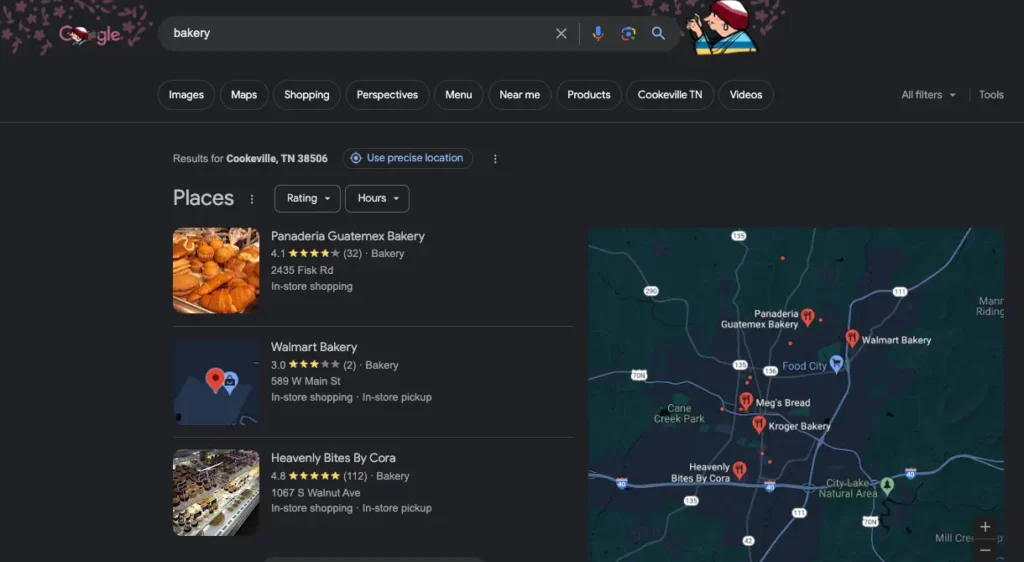
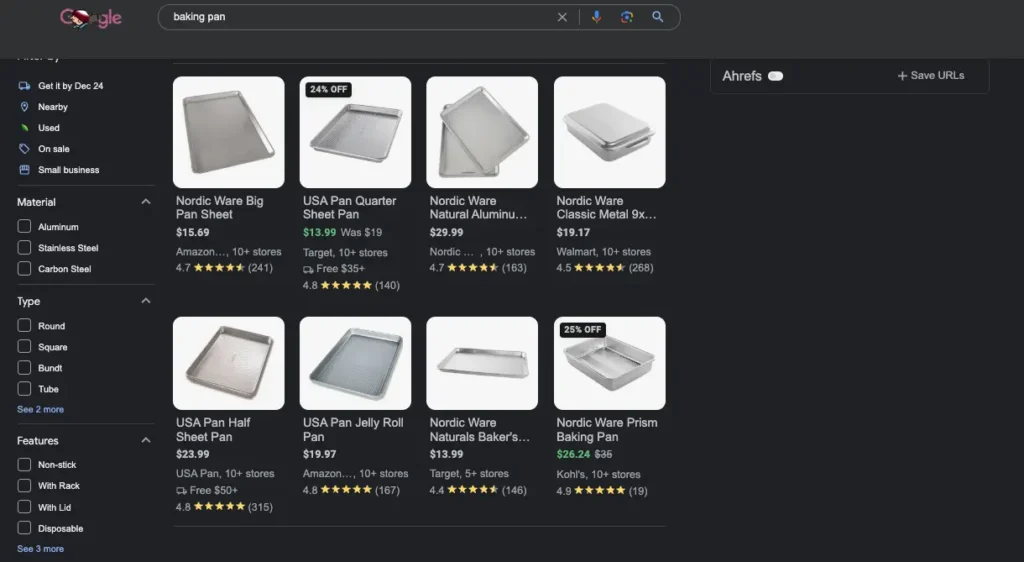
eCommerce SEO: If you run an online store, your SEO strategy should involve optimizing product pages, using descriptive URLs, and implementing schema markup to provide detailed product information for search engines.
Organic SEO: This strategy focuses on improving your website’s overall visibility in organic search results. It typically involves a combination of the core components mentioned above and thorough keyword research to ensure you’re using the most relevant and high-traffic keywords associated with your business.
A solid SEO strategy combines these strategies with your business’s unique goals and needs. By understanding the fundamentals of SEO and tailoring them to your business, you can make informed decisions that ensure success in the long run.
Step 1: Keyword Research & Analysis
One critical aspect of SEO is keyword research and analysis. In this section, we’ll cover the process of identifying target keywords, discovering them using various tools, and analyzing their potential and difficulty.
Identifying Target Keywords
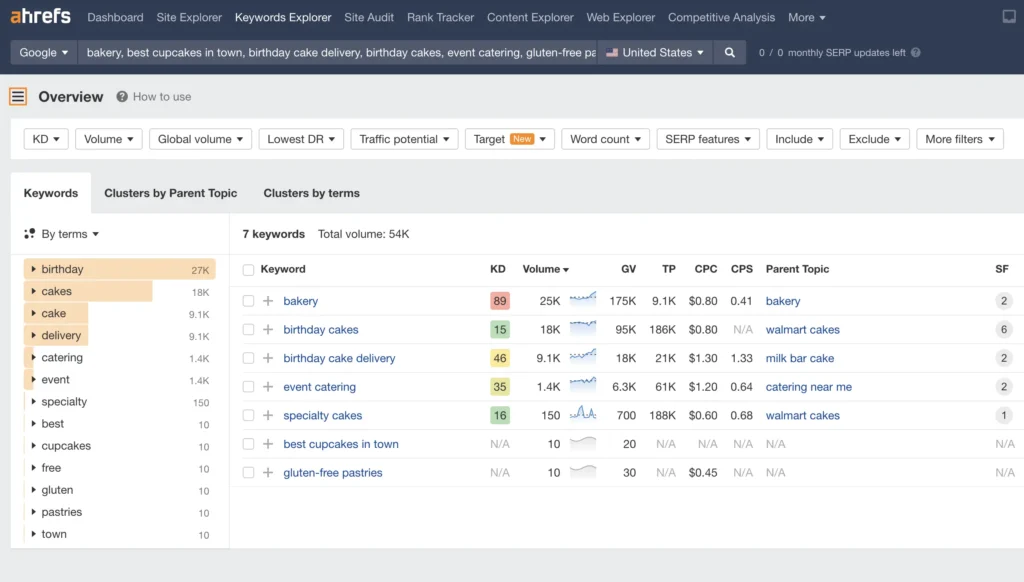
Start by finding keywords that are most relevant to your business and the products or services you offer. This process involves brainstorming topics related to your primary niche and then breaking them down into specific search queries that potential customers might use.
Understanding Keyword Intent
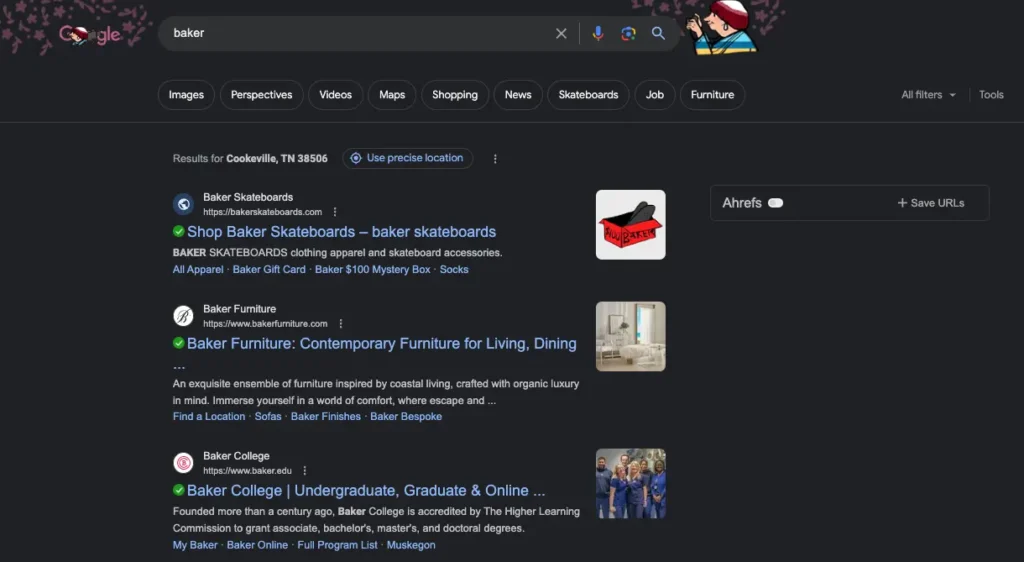
Search intent, or user intent, is about figuring out why someone is conducting a search. Are they looking for information? Do they want to buy something? Or are they trying to find a specific website? Matching your content with what people are actually searching for is key to ranking well on search engines like Google.
No matter how good your content is, if it doesn’t align with what searchers want, it won’t rank well. Search engines have gotten better at understanding and prioritizing search intent.
Types of Search Intent:
- Informational: Looking for information.
- Navigational: Searching for a specific website.
- Commercial: Considering a purchase and wanting to compare options.
- Transactional: Ready to buy.
Tools for Keyword Discovery
Some favorites include Google’s Keyword Planner and Ahrefs Keywords Explorer. These tools provide valuable data such as search volume and click-through rates.
Analyzing Keyword Potential and Difficulty
Keyword potential refers to the estimated amount of search traffic a keyword receives, while difficulty represents how challenging it might be to rank for that specific keyword. Evaluate both before deciding which keywords to prioritize.
Step 2: Tracking Keywords
What You Measure, Grows
Keeping track of keywords is essential for achieving success in SEO. By regularly monitoring keyword performance, you can optimize your website’s content and increase your search traffic.
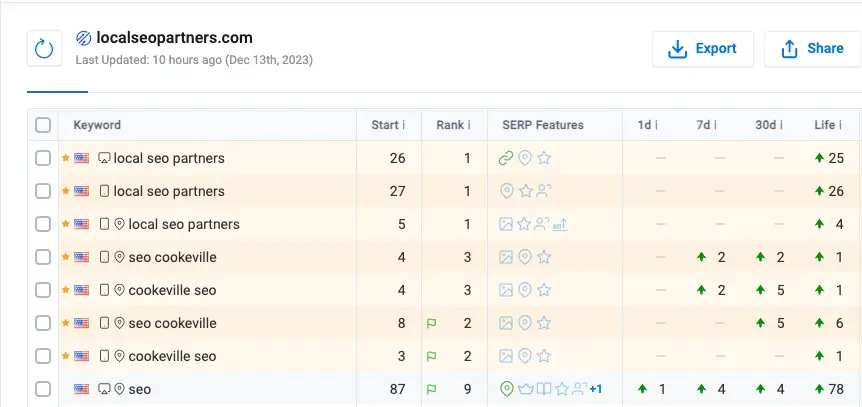
Key metrics to track:
- Keyword Rankings: Monitor the position of your keywords in SERPs.
- Organic Search Traffic: Measure the volume of visitors coming through organic search.
- Conversion Rate: Track the percentage of visitors who take the desired action.
- Bounce Rate: Determine the percentage of visitors who leave after viewing only one page.
- Click-Through Rate (CTR): Measure the ratio of clicks on a link to total views.
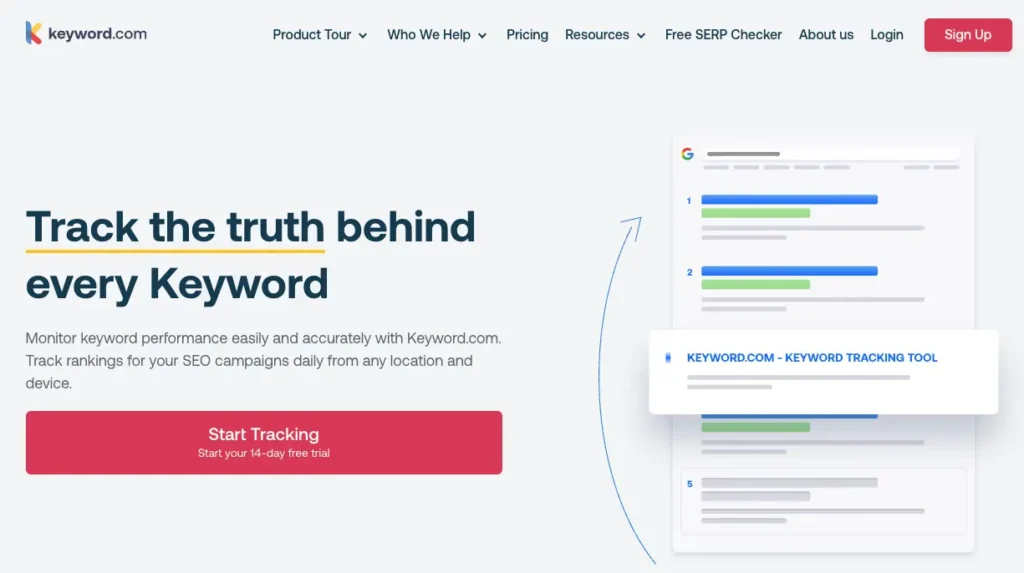
My Favorite Keyword Tracking Tool: Keyword.com
Keyword.com provides accurate keyword ranking data allowing you to monitor your website’s progress in the SERPs.
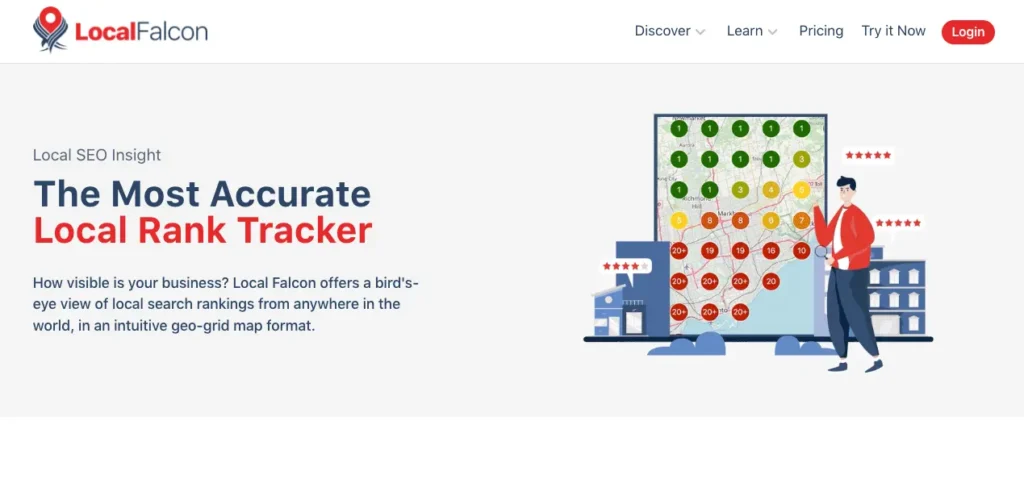
Local Map Pack Tracking: Localfalcon.com
For local SEO, tracking your presence in the Google Local Map Pack is essential. Localfalcon.com allows you to monitor your local search performance and identify areas that need improvement.
Step 3: Technical SEO Fundamentals
Technical SEO involves making sure your website is easily accessible and understandable by search engines like Google.
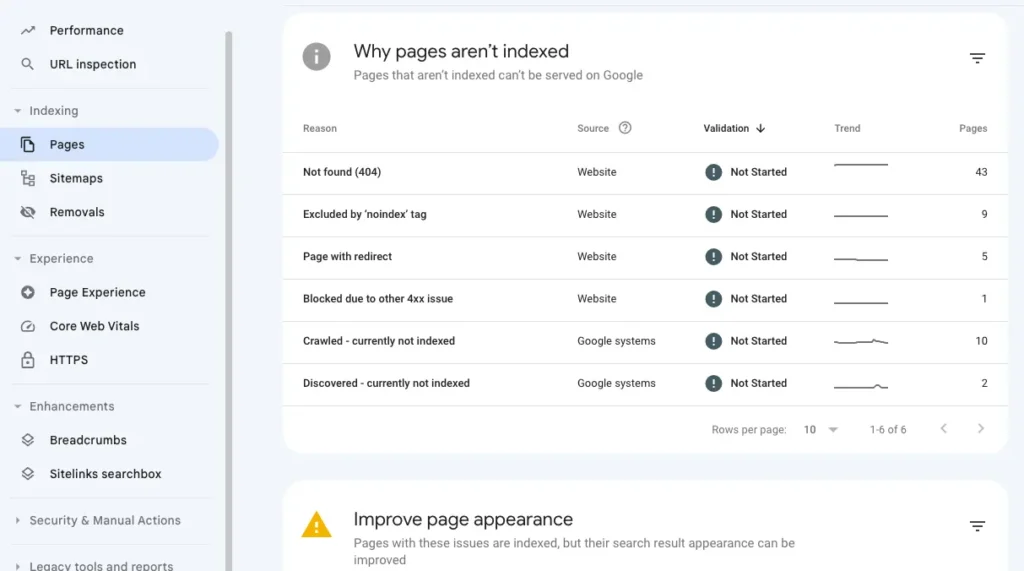
Using Google Search Console for Technical Audit
Google Search Console is a free service by Google that helps you monitor your website’s performance in search results. During a technical SEO audit, it’s important to identify crawlability and indexability issues — these can prevent search engines from properly crawling and indexing your pages.
Screaming Frog: A Wonder Tool
Screaming Frog is a powerful website crawler that helps you analyze your website’s pages and identify potential issues — broken links, redirect chains, duplicate content, slow pages, and more.
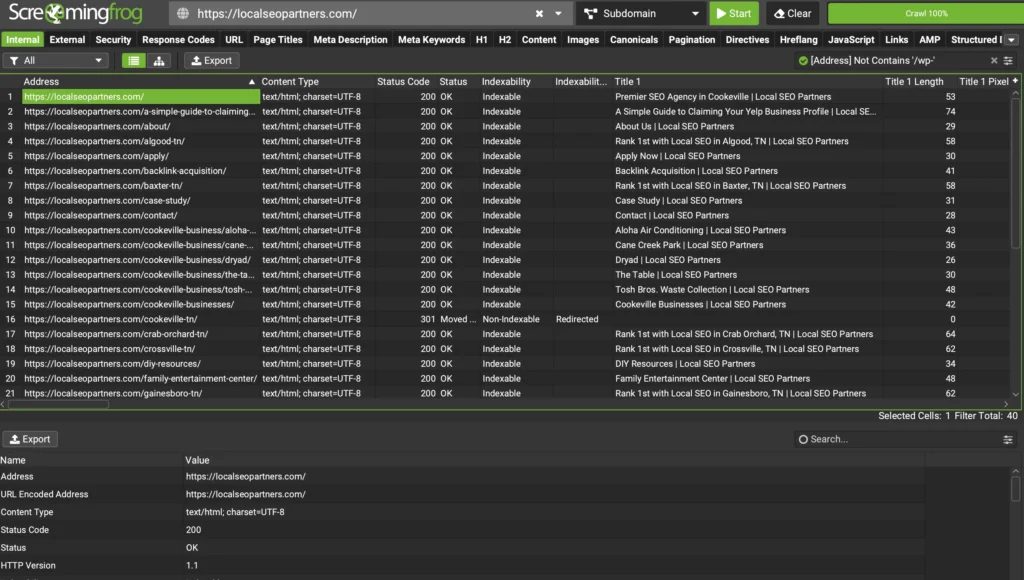
Key things Screaming Frog checks:
- Identifying broken links and redirect chains
- Spotting duplicate content issues
- Analyzing page titles and meta descriptions
- Checking the responsiveness of your website
Step 4: Build Your Content Roadmap Strategy
When planning your content strategy, build a comprehensive content roadmap — a document outlining the steps you need to take to execute your content marketing plan effectively. Start with keyword research to identify the topics most relevant to your target audience, then construct a timeline for content creation.
Analyze your competition to gain insights into the kind of articles or blog posts that resonate with your potential customers. Then create a content calendar that outlines the publishing schedule for your articles, blog posts, and other content pieces.
Proper planning before writing ensures you’re targeting specific keywords to increase organic traffic and strategically positioning your content to engage your target audience.
Step 5: Optimize Your Google Business Profile
Getting Google Reviews
Positive customer reviews are essential for online reputation and local search ranking. Encourage satisfied clients to leave reviews on your GBP — they carry significant weight in Google’s local search algorithms.
Complete Your Entire GBP Profile
An accurate and complete GBP ensures potential customers can easily find the information they need. Fill out all sections:
- Contact Information: Ensure your NAP (name, address, phone) is accurate and consistent across all online listings.
- Hours of Operation: Clearly list your current hours, and update them for holidays or special events.
- Business Description: Write a brief, appealing description that highlights your unique selling points.
- Categories: Select the most relevant categories to enhance your visibility.
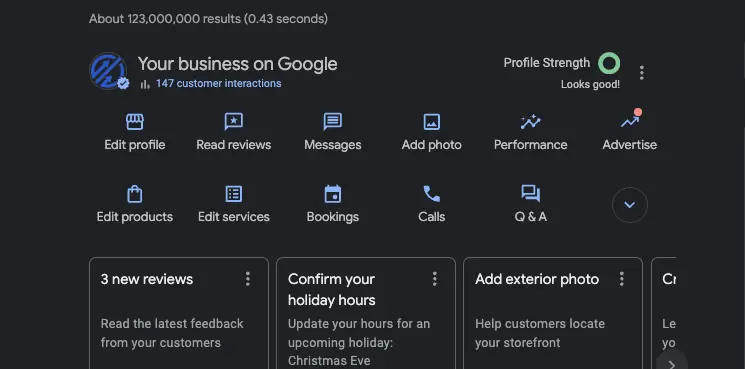
Post Updates & Photos Regularly
Regularly posting updates and photos on your GBP establishes an active online presence. Share promotions, events, and behind-the-scenes content to make your business stand out.

“Add at least 100 photos to your GBP. Studies reveal that 88% of consumers rely on visuals to guide their purchasing choices. Also, add 10 or more questions to your Q&A section — think of it as an FAQ section with relevant keywords baked in.” — Elizabeth, Snowmad Digital
Step 6: Create Content & Publish
Matching Search Intent
When creating content, it’s crucial to match the search intent of your target audience. Research popular keywords and analyze the top-ranking pages to create content that resonates with your audience.
Build Out Money Pages
Focus on building “money pages” that target high-value keywords and address your audience’s pain points. These pages promote your products or services and include a clear CTA.
Build a Supporting Hub of Content
Create a supporting hub of content around related topics to establish your expertise. Interlink these pages to help search engines and users navigate your content easily.
On-Page SEO Tips
- Use descriptive title tags and meta descriptions
- Include header tags (H1, H2, H3) to structure content effectively
- Optimize image file names and alt tags
- Add internal links to related content on your site
- Ensure proper keyword density
Step 7: Build Your Backlinks
NAP Consistency & Directories
Ensure your business information (Name, Address, Phone) is consistent across all online directories. Maintaining consistency makes it easier for search engines to recognize your business and improves local search rankings.
Build Foundational Backlinks
Build foundational backlinks that boost your website’s credibility. Quality backlinks help you climb local search rankings.
Linking Strategies
Popular link-building methods include:
- Creating high-quality, shareable content
- Guest posting on relevant industry blogs
- Collaborating with influencers in your field
Monitoring Backlinks
Track any new, lost, or broken links and adjust your strategy accordingly. It’s a crucial part of your ongoing link-building strategy.
Step 8: Optimize Your Content
Using ChatGPT alongside Search Console
Combining ChatGPT with Google Search Console data is a great way to improve your content. ChatGPT can analyze search queries and popular keywords from Search Console to give suggestions on how to make content more engaging and relevant.
Using Query Hunter
Query Hunter is a Chrome Extension designed to streamline the content refining process. It helps identify underserved search queries so you can optimize content for better rankings.
Always Optimizing and Refreshing Content
Ranking high is not a one-time task. Monitor your analytics regularly — especially CTR and bounce rate. Routinely update content with new data and findings to boost rankings and avoid over-optimization penalties.
Measuring SEO Success: What to Expect
Timeline for Keyword Rankings
SEO is not an overnight success. On average, it takes 3 to 6 months to see noticeable results. Here are key milestones:
- 0–3 months: Research, strategy development, website optimizations, and content creation.
- 3–6 months: Monitor progress, adjust strategies, and continue creating quality content.
- 6 months onwards: Steady growth in rankings and organic traffic.
Why SEO Is a Snowball for Revenue Growth
The more time and effort you invest in SEO, the more growth you see. SEO builds your online presence, increases your website’s trust and authority, and ultimately drives more customers to your business.
Key metrics to track:
- Keyword rankings: Where your targeted keywords rank on search engines.
- Organic traffic: Visitors coming from search results without paid ads.
- Conversion rate: The percentage of visitors who complete a desired action.
FAQs
Can I hire you to complete this playbook for us?
Yes. We can tailor a plan focused on specific tools and strategies suited to your unique situation. Get in touch to learn more.
What are some common mistakes to avoid?
- Ignoring the basics like title tags, meta descriptions, and header tags
- Keyword stuffing — aim for a balance between keyword usage and reader-friendly content
- Not monitoring progress — use Google Analytics and Search Console to stay informed